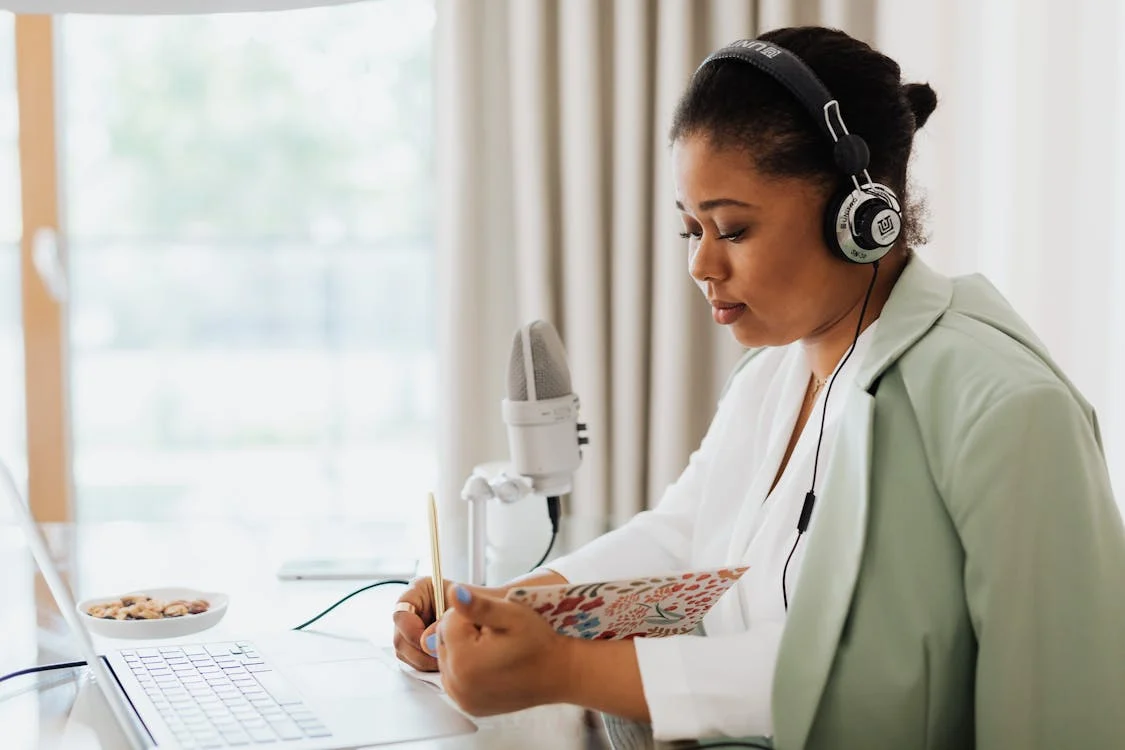
Menopause occurs when a female comes to the end of their menstrual cycle, affecting their energy and mood. It can affect each female differently, but the main symptoms are fatigue and changes in the skin or body. While these symptoms may feel like really unusual changes, they are completely normal. However, there are some cases where females may need medical intervention to support their transition. Suffering from severe symtoms where they impact your daily life significantly, experiencing menopause earlier than expected or bleeding once your ‘periods’ have stopped are examples of where support might be needed. It is common for women to take Hormone Replacement Therapy (HRT) to support the transition. This guide is to help you feel more in control of your menopause and continue to live a confident, healthy life.
Nourish Your Body
What you fuel your body with is really important during menopause to manage the weight gain and ease the related symptoms. The main macronutrient to include in your diet should be protein to help maintain muscle mass. During perimenopause, estrogen levels decline, which causes the loss of muscle mass and bone density. For micronutrients, calcium and vitamin D are essential for bone health. Due to the decline in testosterone, progesterone, and estrogen, energy levels can dip, and changes can take place in the skin. Estrogen is vital for maintaining collagen, sebum (oil), and hyaluronic acid, which keep skin plump, firm, and hydrated. Drinking 1.5-2 litres of water a day is crucial to manage symptoms that are worsened by dehydration, such as hot flushes and dry skin. Hydration also boosts energy and skin elasticity. Eating balanced meals throughout the day will also help energy levels by stabilising sugar spikes.
Keep Your Body Moving
The UK government recommends around 30 minutes of daily exercise, including strength training twice a week. This is important during menopause to counteract declining estrogen, causing loss of muscle mass. Choosing an exercise that you genuinely enjoy helps to stay consistent; it doesn’t matter whether your strength training is in the gym or pilates, including resistance. A gentle practice such as yoga can help to reduce tension and boost your mood. Finally, a daily walk, even if it’s 20 minutes around the block, will be great for mental clarity and mood, especially if it is in nature.
Daily Routines
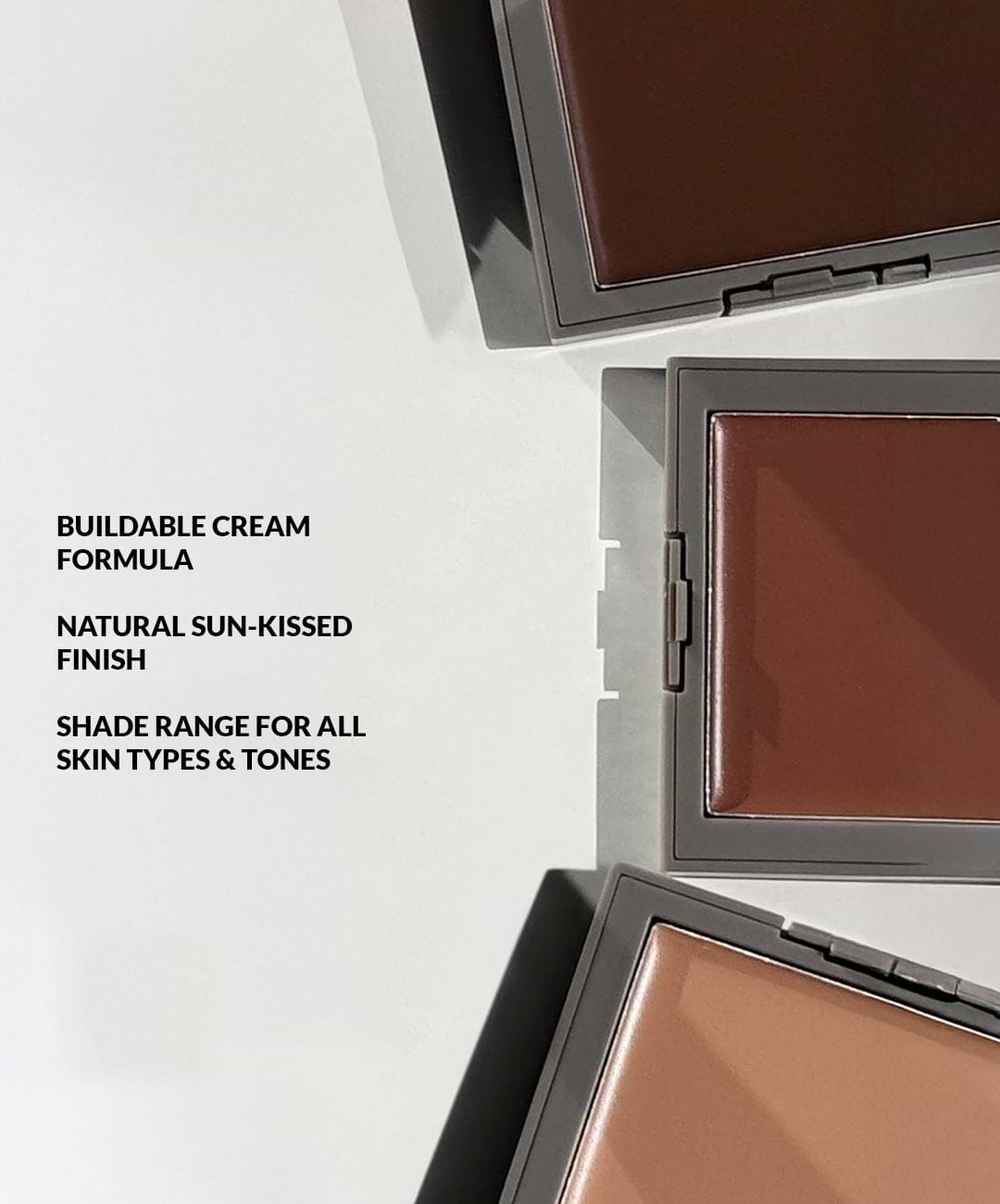
Introducing daily routines can really help during menopause to bring a sense of stability when your body and emotions can feel unpredictable. To support your well-being, it doesn’t have to be regimented routines, but small, consistent habits are a perfect place to start. A key routine to include is a bedtime routine, which includes a consistent bedtime time and waking time to regulate the body’s internal clock to improve sleep quality. Incorporating screen-free time at least an hour before bed to prevent the blue light from suppressing melatonin, keeping your brain awake. Another good routine to include in your day-to-day is a quick makeup routine to help you feel good, especially on days when your energy may feel lower than usual. This should include five core products to keep it minimal: tinted moisturiser, concealer, cream bronzer, mascara and lip gloss. Choosing products with hydrating formulas, such as those from REFY Beauty, are perfectly suited to menopausal skin, which tends to be drier than usual.
Conclusion
It is common for females to feel lost during menopause and sometimes lose some of their identity as they transition into this new phase of life. While things may feel different, it is important to show yourself self-compassion and do things that make you feel good.